 A particle of the future
South — Curitiba
 (Opens in a new tab)
“The future is this present that passes through us.”
“It would be that society that overcame patriarchy, overcame racism, overcame class oppressions, recognizes different cultural expressions, recognizes the connection among people and with nature.”
 (Opens in a new tab)
Dream manifesto by the participants of the gathering in Curitiba, Paraná
Gathering held at Instituto Nhandecy, in the Mercês neighborhood, Curitiba, Paraná, on 23 August 2025.
We want a just future that begins now, in which life — human and more-than-human — is at the center. A future in which the national and global political system does not exist to plunder the nation. A future with less individualism, whether in the form of privatization, social networks, or other expressions.
We want a future in which nature is our partner of home and sustenance, where forests, waters, seas, and fantastic biodiversity prosper and where we can live from what the earth gives without exhausting it. In it, ancestral and community knowledges walk together with science to guide choices that regenerate, and art becomes everyday food again, opening paths of sensitivity, critique, and imagination.
It is a future in which every child is born and grows with protection, affection, and freedom to play; where early childhood organizes policies and priorities. Women — in the countryside and in the city — have their work recognized, their income secured, and their places of decision. Original peoples, diverse cultures, and multiple spiritualities are respected and celebrated as living sources of wisdom. Black protagonism is real and not decorative; diversity stops being aesthetic and starts structuring the common.
In that forthcoming time, house and territory are entry doors to all other rights: dignified housing integrated with the natural environment, wellbeing, antiracism, gender equality, healthy food, harmonious coexistence with the whole. Animals — wild and domestic — are treated with dignity. Technology and knowledge, instead of subordinating life to profit, strengthen care, equity, affection, and good living. We work what is necessary to sustain existence with dignity and dedicate ample time to culture, art, science, and community life.
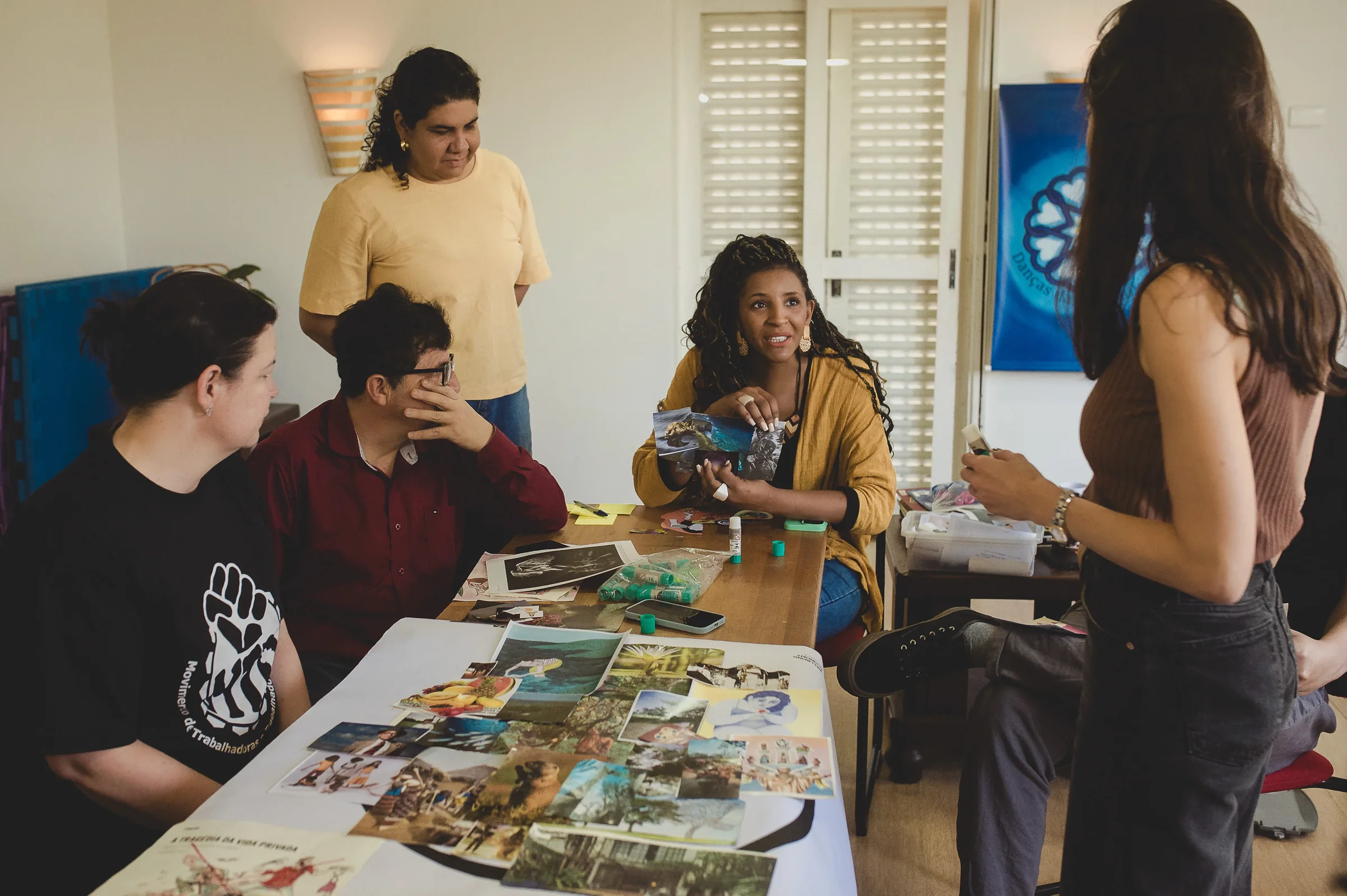
The way of building this future is collective. Projects are “what” and “with whom” at the same time: they are born of bonds. We do this through liberating education, popular participation, and active listening — of nature, of elders, of children, and of ourselves. We advance in a spiral, recognizing cycles, learning, unlearning, and relearning. We cultivate relations as one cares for a plant: presence, watering, patience. And we put our talents into the light — “every talent is grand” — to touch the other and transform what surrounds us.
We do not seek unanimity; we practice dissent with respect, overcoming authoritarianisms and opening space for plural existences and a harmonious evolutionary process. Politics becomes again the task of producing collective happiness. The city stops framing bodies and ways of life: it is redesigned by those who inhabit it. The decisions that matter are taken with those who live their effects. And when we diverge, let it be in the paths — not in the common objective of dignity, justice, and shared joy.
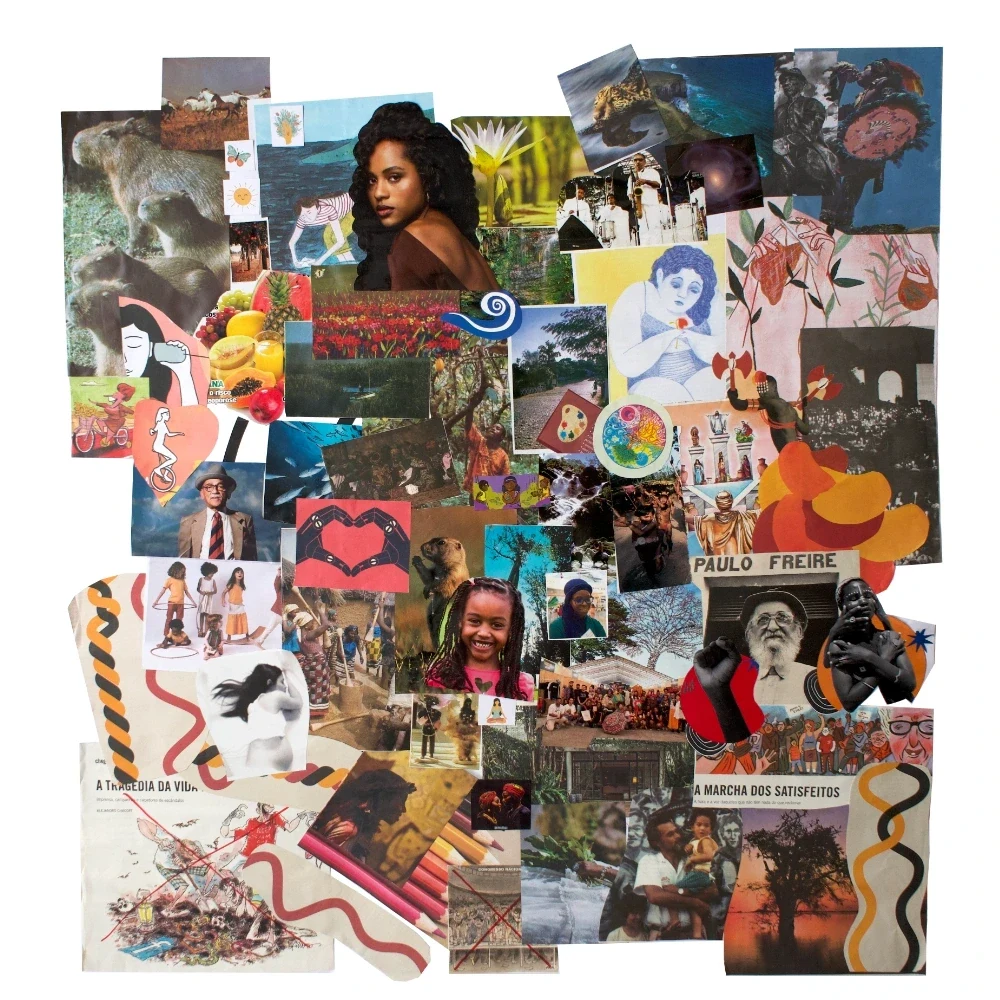
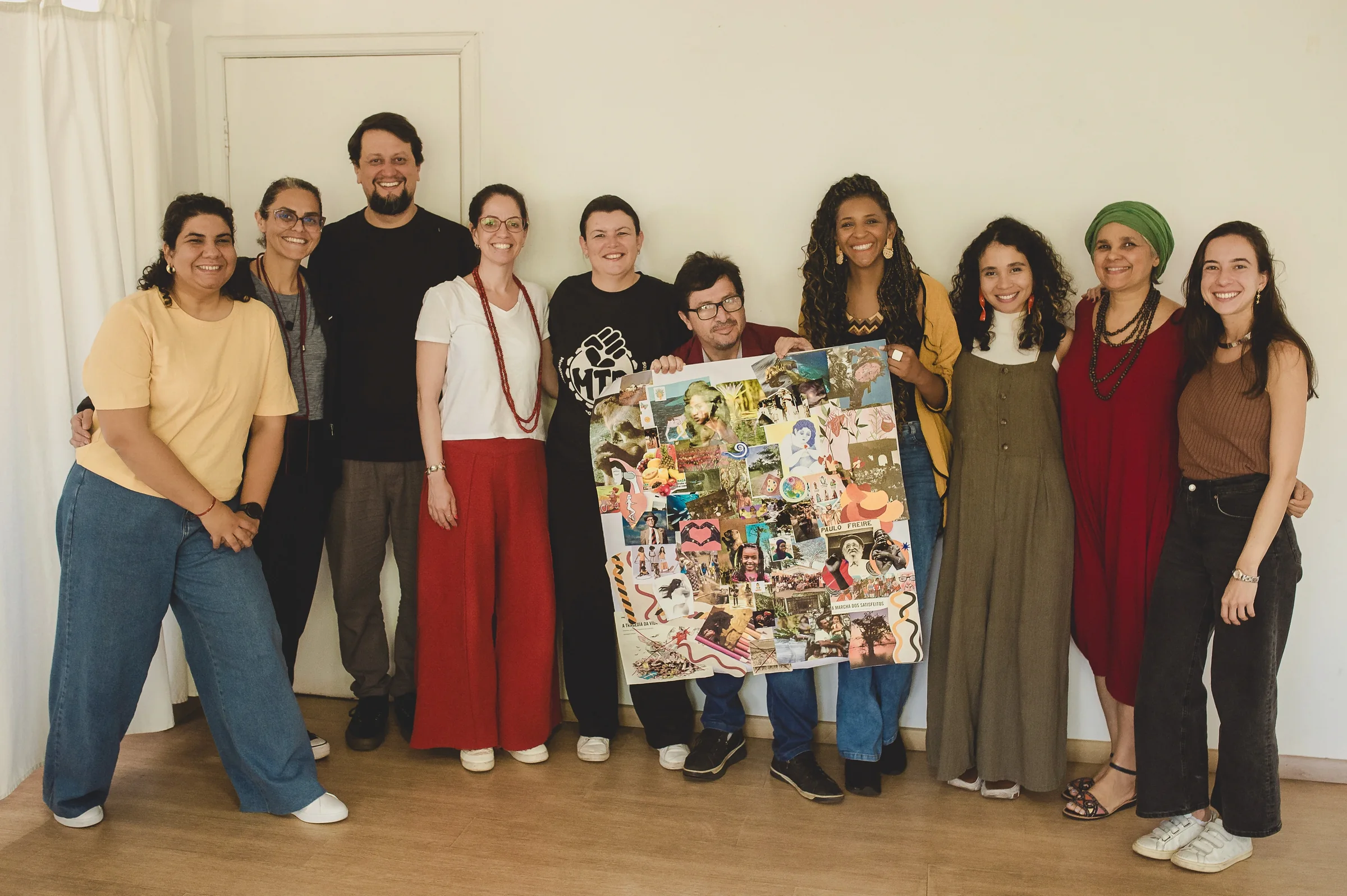
This desired future is not distant: the time of the future is today. It begins when each person transforms in themselves what they ask of the world, finds others who dream the same, organizes, struggles, and wins. If everything was created, everything can be modified. We raise our common collage and go on: a living work, in movement, signed with earth on the hands, music in the air, and eyes turned toward the children.
 (Opens in a new tab)
Participants
Jessie Reinert, Evelin Alves, José Farias, Edite Faganello, Ariane Santos, Gentil Oliveira, Karol Rosa, Libina da Silva Rocha, Maria Helena Faller. The invited people come from two states of the South region.
 (Opens in a new tab)
[18]